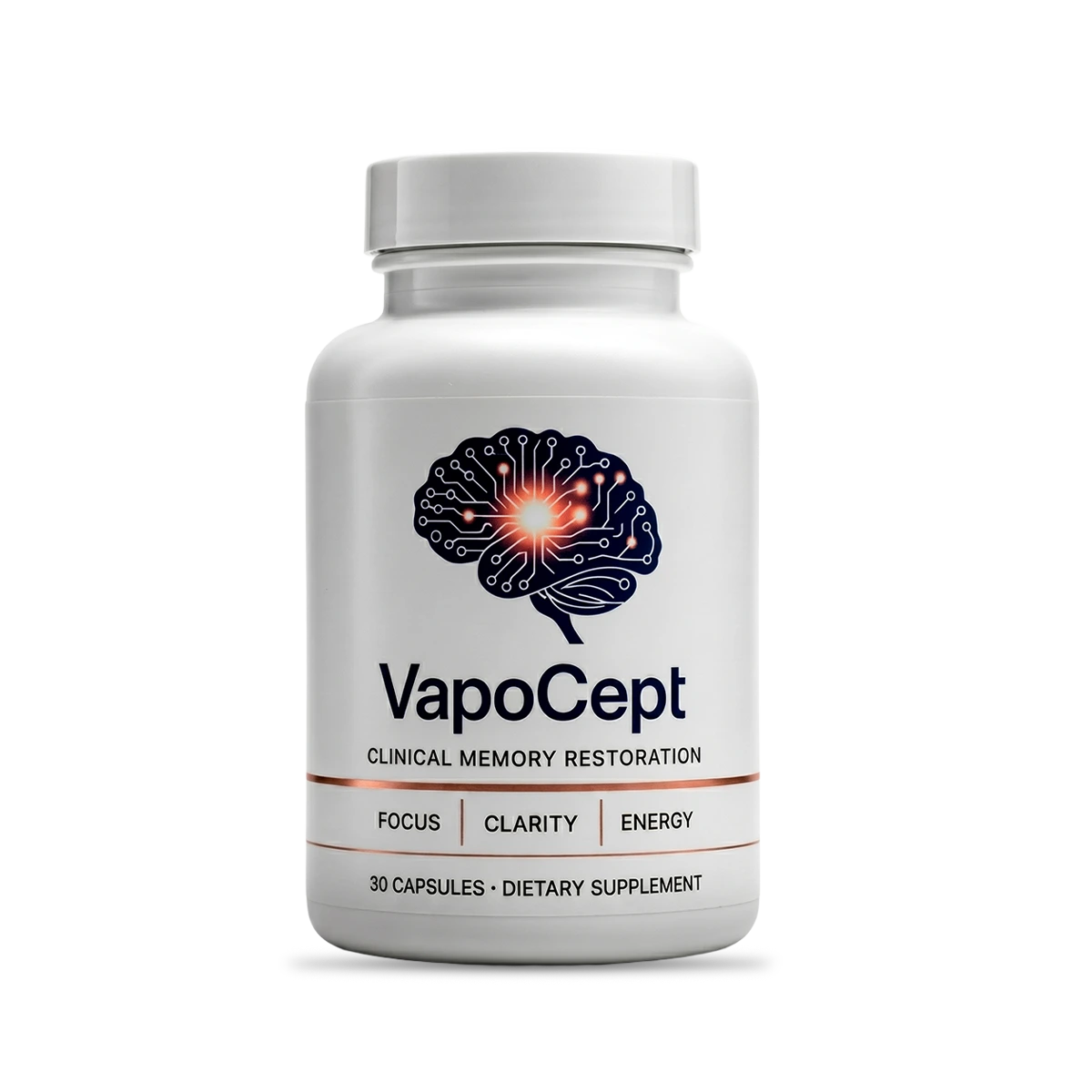
Of the six ingredients in VapoCept®, Ginkgo Biloba is the one carrying the most direct memory research. If you are weighing up a Ginkgo Biloba supplement, a Ginkgo Biloba memory supplement, or a Ginkgo Biloba brain supplement generally, this page covers what the extract is, what the better trials actually measured, and where the honest limits sit.
What Ginkgo Biloba Extract Is
Ginkgo biloba is among the oldest surviving tree species on earth, and the extract used in supplements comes from its fan-shaped leaves. The compounds of interest are flavonoid glycosides and terpene lactones. Standardised extracts — the kind used in clinical trials — are produced to contain consistent percentages of both, which is what makes one batch comparable to another and makes research on them meaningful.
That standardisation is the difference between a Ginkgo Biloba extract you can reason about and a jar of powdered leaf.
What the Research Measured
The trial most worth knowing was published in Phytomedicine in 2011. It was randomised and placebo-controlled, it enrolled 188 healthy volunteers aged 45 to 56, and it ran for six weeks at 240 mg of standardised extract once daily.
The finding was specific rather than sweeping. Participants taking Ginkgo showed significant improvement in the quantity of free recall for appointments — immediate recall at p=0.038 and delayed recall at p=0.008. The authors' conclusion was that the extract "improves free recall of appointments in middle-aged healthy volunteers, which requires high demands on self-initiated retrieval of learned material."
Ginkgo Biloba for Mental Alertness and Focus
Alongside memory, Ginkgo is commonly discussed in the context of Ginkgo Biloba circulation support — the proposal being that improved peripheral and cerebral blood flow underlies the cognitive findings. The circulatory mechanism is biologically reasonable and widely studied. We would rather present the memory outcome, which was directly measured in the trial above, than lean on a mechanism to imply outcomes nobody measured.
For Ginkgo Biloba for mental alertness and Ginkgo Biloba for focus specifically, the evidence is thinner and less consistent than it is for recall. Taking the recall result seriously means taking the gaps seriously too.
Ginkgo Biloba for Healthy Aging
The 2011 trial recruited middle-aged adults rather than people with any diagnosis, which makes it directly relevant to anyone thinking about brain health after 40, after 50 or after 60. This matters: much Ginkgo research has been conducted in clinical populations, and results in people with existing cognitive impairment do not automatically transfer to healthy adults, or the reverse.
Where a Ginkgo Biloba supplement for seniors is concerned, the sensible reading is that supportive evidence exists for everyday recall in healthy adults, and that no supplement — this one included — is a shield against disease.
Dosing, and What to Expect
The trial dose was 240 mg of standardised extract once daily for six weeks. VapoCept® contains Ginkgo Biloba Extract as one of six actives; the precise amount is printed on the Supplement Facts panel of your bottle, and that is where to check it rather than taking any website's word for it.
On the timeline: six weeks was the shortest meaningful measurement window in the research behind this formula. Nothing in these trials moved in three days. Eight to twelve consistent weeks is a reasonable period to judge by.
Who Should Talk to a Doctor First
This is the part of any Ginkgo page that matters most, and it should not be buried at the bottom.
- If you take a blood thinner such as warfarin, or antiplatelet medication, Ginkgo is commonly flagged for interaction — speak to your doctor before starting.
- If you have surgery scheduled, Ginkgo is frequently stopped in advance. Mention it to your surgeon.
- If you take prescription medication of any kind, show the label to a pharmacist or doctor.
- Not intended for anyone pregnant, nursing, or under 18.
None of this makes Ginkgo unusually risky. It makes it an active botanical worth one conversation, which is exactly how it should be treated.
Where It Sits in VapoCept®
Ginkgo Biloba Extract is one of six actives, alongside Turmeric Extract, Marigold Extract, Green Tea Extract, Bamboo Extract and D-Glucosamine Sulfate Potassium Chloride. You can read the complete ingredient panel, including the three other ingredients and the bovine gelatin capsule, on our exact-formula page.
One limit worth stating plainly: the trial above tested Ginkgo on its own, not VapoCept®. No clinical trial of this finished formula exists. Reading the single-ingredient research is the best available basis for a decision, and pretending it is more than that would undo the point of the page.
If You Are Shopping for Ginkgo Specifically
Plenty of people come to this subject looking for Ginkgo Biloba for memory support or Ginkgo Biloba for cognitive support as a category, rather than for any particular brand. That is a sensible way to approach it, and the criteria are the same whoever you buy from.
What makes the best Ginkgo Biloba supplement is not the price or the packaging but three things you can check on the label: that it is a standardised extract rather than leaf powder, that the standardisation percentage is printed, and that the amount per serving is stated outside a proprietary blend. Any honest Ginkgo Biloba brain supplement review should be built on those three checks rather than on how the capsule made somebody feel in week one.
Apply them to VapoCept® as readily as to anything else. The Ginkgo content is printed on the Supplement Facts panel of the bottle, and our exact formula page lists everything alongside it.